Source Silicone Eyeglasses Screws for Frames, Pads, and Hinges
Find 30 listings for silicone eyeglasses screws and nose pad accessories. Compare PU and silicone materials, custom sizes, and OEM options from Chinese manufacturers to find the right fit for your optical needs; compare the available evidence and request quotations based on your requirements.
Key considerations
Products List


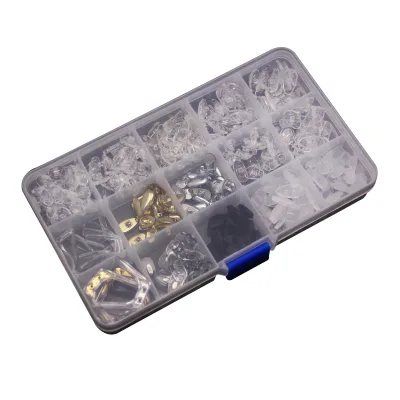

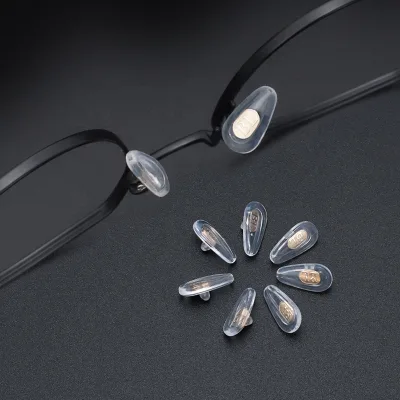


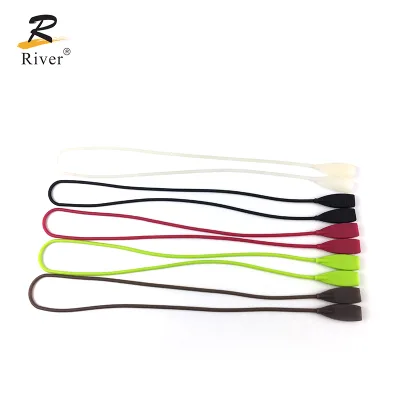
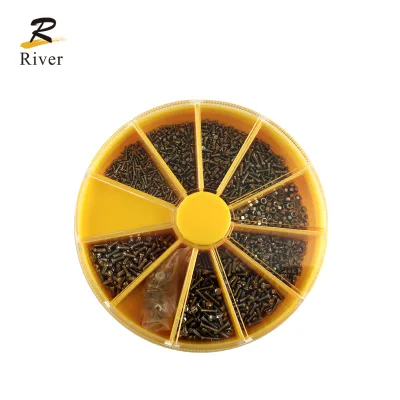
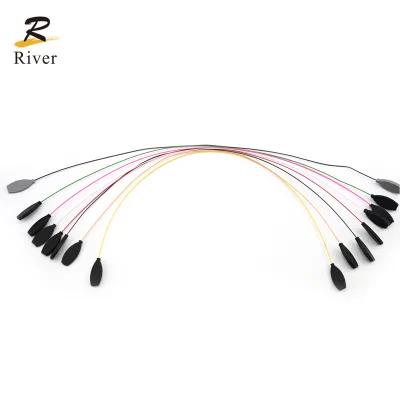
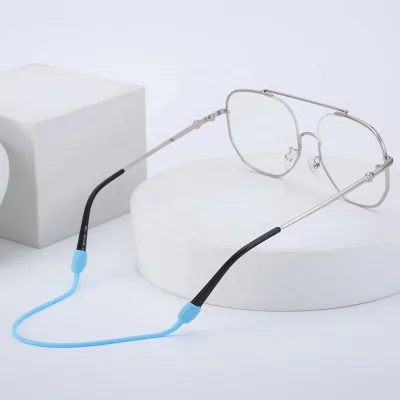
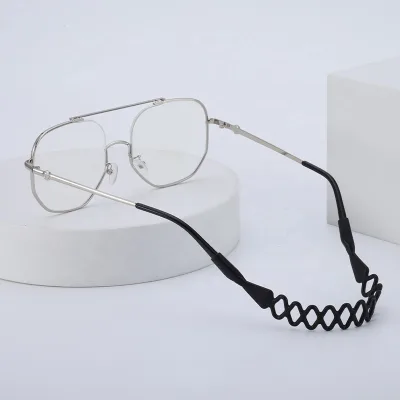
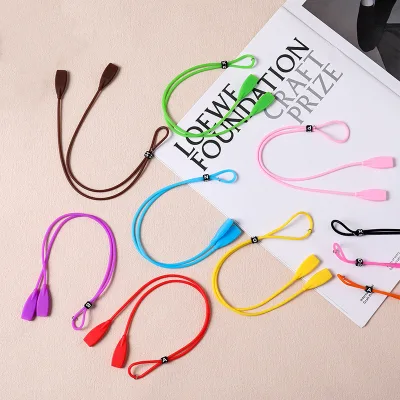

Comprehensive Sourcing Guide
Silicone Eyeglasses Screws Sourcing Guide
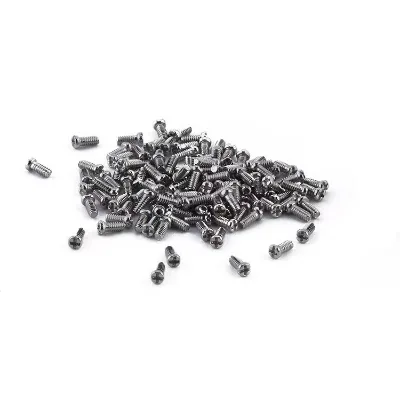
Procuring silicone eyeglasses screws requires a nuanced understanding of material compatibility and mechanical function, as these small components play a critical role in the durability and comfort of optical frames. Buyers must recognize that while the core keyword suggests a specific fastener type, the market often blends these with silicone nose pads or temple tips that utilize similar attachment mechanisms. The primary decision point involves determining whether the screw serves as a structural anchor for the hinge or as a retention element for soft silicone accessories like nose pads. This distinction dictates the required thread pitch, head style, and material hardness, ensuring that the final assembly meets both aesthetic and functional expectations.
The sourcing landscape for these components is characterized by a high degree of customization and regional manufacturing concentration, particularly in China. Suppliers often offer OEM support, allowing buyers to specify exact dimensions, colors, and packaging requirements to align with their brand identity. It is essential to verify the specific application context, such as whether the screw is intended for general use or specialized optical adjustments, as this influences the selection of compatible temple sizes and hole diameters. Buyers should also consider the availability of ready stock versus custom production runs, as this impacts lead times and inventory management strategies for both small-scale retailers and large optical distributors.
Product Scope and Observed Listing Signals
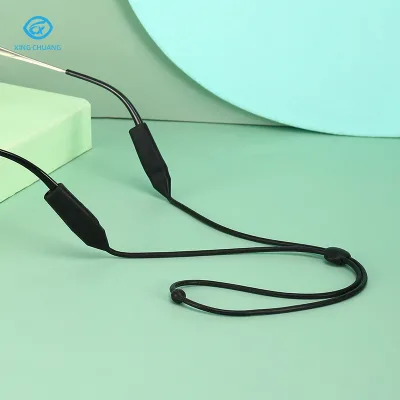
The observed product listings reveal a diverse range of accessories that fall under the broader umbrella of eyewear components, including handmade glasses cases and various nose pad configurations. While the core focus is on screws, the market data indicates a strong presence of silicone-based accessories, such as soft screw-in anti-slip nose pads, which often share supply chains with similar fasteners. These listings frequently highlight features like "15 years experience" and "wear comfortable" attributes, signaling a mature supplier base that prioritizes user comfort and long-term reliability. Buyers should note that many products are marketed as unisex and suitable for general use, indicating a standardized approach to sizing and design that appeals to a broad consumer base.
Material composition is a key differentiator in these listings, with PU, PVC, silica gel, and silicone being the most commonly cited materials. The presence of products with specific model numbers, such as "109" and "WH001," suggests that suppliers maintain distinct SKUs for different functional requirements, such as fixed lens applications or specific temple size compatibilities. Packaging details vary from standard export paper envelopes to individual polybags containing hundreds of pairs, reflecting the small unit size and high volume nature of these items. Buyers must carefully cross-reference these material and packaging details to ensure they align with their quality standards and logistical preferences, avoiding assumptions based solely on generic product titles.
Technical Specifications to Verify
Technical verification begins with precise dimensional analysis, as even minor deviations in screw length or diameter can compromise the integrity of the eyeglass frame. Buyers should request detailed specifications for critical parameters such as round hole diameter outside and inside, which are often cited as 5mm and 4mm respectively in similar accessories. Additionally, the suitability for specific temple sizes, typically ranging from 4-9mm, must be confirmed to ensure compatibility with the target frame models. These measurements are not merely suggestions but critical constraints that determine whether the screw will fit securely without damaging the frame material or causing undue stress on the hinge mechanism.
Material hardness and thread type are equally important technical factors that require explicit confirmation from suppliers. While silicone is a common material for associated accessories, the screws themselves may be made of metal or plastic, each with distinct properties regarding corrosion resistance and tensile strength. Buyers should verify the single package size and gross weight to calculate accurate shipping costs and storage requirements, as these metrics can vary significantly between different product models. Furthermore, the presence of features like "fixed lens" or "anti-slip" functionalities in related products indicates that the screw design may incorporate unique geometries to enhance grip or stability, necessitating a thorough review of technical drawings before placing bulk orders.
Compliance and Safety Documentation
Compliance with international safety standards is paramount when sourcing eyewear components, particularly those that come into direct contact with the user’s skin. Buyers must ensure that all silicone and plastic materials used in the screws and associated accessories are free from harmful substances such as phthalates, lead, and other heavy metals. This is especially critical for products marketed as "wear comfortable" or "soft," as these attributes often imply a higher degree of skin contact and prolonged exposure. Suppliers should provide material safety data sheets (MSDS) or certificates of analysis to verify that the materials meet relevant regulatory requirements for consumer goods in the target markets.
Documentation regarding manufacturing standards and quality control processes is another essential component of the compliance framework. Buyers should inquire about the specific standards followed by the supplier, such as ISO certifications or industry-specific guidelines for optical accessories. While some listings mention "customize" standards, it is crucial to clarify whether these refer to product dimensions or adherence to recognized safety protocols. Additionally, buyers should verify that the packaging materials used, such as polybags or paper envelopes, are also compliant with environmental regulations, particularly if the products are being sold in regions with strict waste management laws.
Cost Drivers and Commercial Terms
Cost structures for silicone eyeglasses screws are influenced by several factors, including material quality, customization level, and order volume. The observed price range of 0.01 to 10.26 USD highlights the significant variation between basic, high-volume items and specialized, low-volume custom products. Buyers should analyze the minimum order quantity (MOQ) requirements, which can range from 1 to 3000 units, to determine the most cost-effective purchasing strategy. Higher MOQs typically result in lower per-unit costs but require greater capital investment and storage capacity, while lower MOQs offer flexibility at a premium price.
Commercial terms such as payment methods, shipping options, and lead times also play a crucial role in the total cost of ownership. Suppliers often list ports like Hong Kong, Shenzhen, and Guangzhou, indicating their logistical capabilities and potential shipping routes. Buyers should negotiate clear terms regarding sample availability, as many suppliers offer samples to verify quality before committing to bulk orders. Additionally, it is important to clarify whether the quoted prices include packaging, labeling, and any necessary compliance documentation, as these hidden costs can significantly impact the final expense. Transparent communication about these terms helps avoid unexpected charges and ensures a smoother procurement process.
Supplier Qualification and Quality Control
Supplier qualification involves a rigorous assessment of their manufacturing capabilities, quality control systems, and track record in the eyewear industry. Buyers should prioritize suppliers with demonstrated experience, such as those highlighting "15 years experience" in their profiles, as this often correlates with refined production processes and consistent product quality. It is essential to verify the supplier’s ability to handle customization requests, including specific model numbers, colors, and packaging designs, as this flexibility is a key indicator of their operational maturity. Additionally, buyers should request references or case studies from previous clients to gain insights into the supplier’s reliability and customer service standards.
Quality control measures must be clearly defined and enforced throughout the production process. Buyers should inquire about the supplier’s inspection protocols, including in-process checks and final random inspections, to ensure that the products meet the specified technical and aesthetic requirements. It is advisable to establish clear acceptance criteria for defects, such as dimensional inaccuracies, material imperfections, or packaging damage, and to agree on remediation procedures for non-conforming goods. Furthermore, buyers should consider conducting third-party audits or factory visits to verify the supplier’s claims regarding production capacity and quality management systems, ensuring that the partnership is built on transparency and mutual trust.
Long-Term Procurement Checks
Long-term procurement success depends on establishing a robust framework for continuous evaluation and relationship management with suppliers. Buyers should implement regular performance reviews to assess key metrics such as on-time delivery rates, product quality consistency, and responsiveness to issues. These reviews should be documented and used to identify areas for improvement, fostering a collaborative environment where both parties can address challenges proactively. Additionally, buyers should maintain open lines of communication to stay informed about any changes in the supplier’s capabilities, pricing structures, or regulatory compliance status, ensuring that the partnership remains aligned with evolving business needs.
Strategic planning for future procurement cycles involves monitoring market trends and technological advancements in eyewear components. Buyers should stay informed about emerging materials, design innovations, and regulatory changes that may impact the sourcing of silicone eyeglasses screws and related accessories. This proactive approach allows buyers to anticipate potential disruptions and adapt their sourcing strategies accordingly, maintaining a competitive edge in the market. Furthermore, buyers should consider diversifying their supplier base to mitigate risks associated with single-source dependencies, ensuring business continuity and flexibility in the face of unforeseen challenges.
FAQs
What materials are used for silicone eyeglasses screws?
Silicone eyeglasses screws are typically made from high-quality silicone or silica gel materials. These materials provide flexibility and durability, ensuring a comfortable fit for the wearer. The soft texture helps prevent slipping and reduces pressure on the nose bridge, making them ideal for daily use in optical glasses accessories.
Can these nose pads be customized for specific needs?
Yes, customization is available for these nose pads. Buyers can request specific designs, patterns, or packaging options to meet their brand requirements. The supplier supports OEM services, allowing for tailored solutions that align with specific market demands or unique product specifications for optical accessories.
What is the minimum order quantity for these products?
The minimum order quantity varies by product type. For some items, the MOQ is as low as 1 piece, while others may require 10 or 100 pairs. This flexibility allows buyers to test samples or place larger orders depending on their inventory needs and business scale.
How are these glasses accessories packaged for shipping?
Packaging options include standard export paper envelopes, boxes, or OPP bags. For example, silicone nose pads are often packed in OPP bags with 1000 pairs per bag. This ensures safe transport and easy inventory management for wholesalers and retailers in the optical industry.
Where are these eyeglasses components manufactured?
These eyeglasses components are manufactured in China, with origins in regions like Danyang and Guangdong. These areas are known for their strong manufacturing capabilities in optical accessories, ensuring high production standards and efficient supply chain logistics for global buyers seeking reliable sourcing partners.
Are samples available for quality testing before bulk orders?
Samples are available for quality testing before placing bulk orders. Buyers can request samples to verify material quality, fit, and durability. This allows for thorough evaluation of the product's performance and suitability for their specific needs before committing to larger production runs.